- About
- Topics
- Story
- Magazine
- In-Depth
- Opinion
- News
- Donate
- Signup for our newsletterOur Editors' Best Picks......Send
Read, Debate: Engage.
In March 2026, India retained its ban on blood donations by gay men, transgender persons, and sex workers, reviving a long-running tension between the country's constitutional promises and its public health policy.
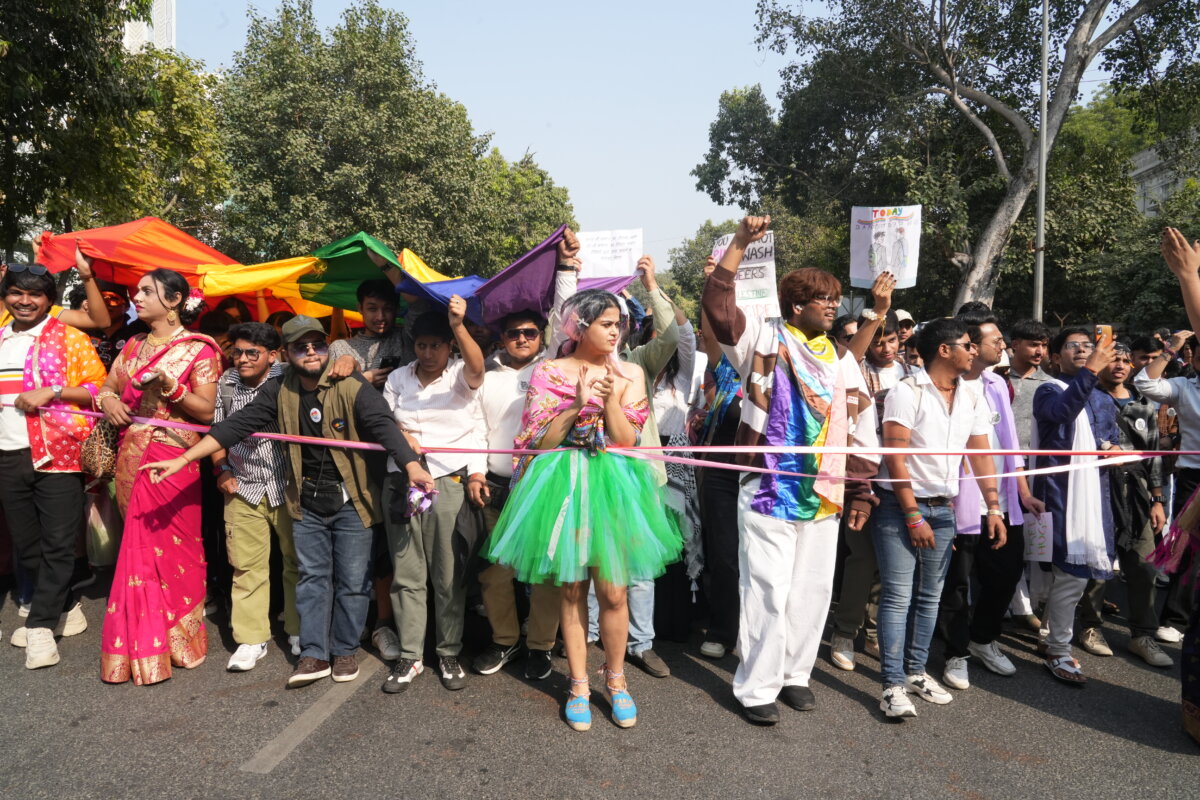
Nearly a decade after the Supreme Court’s landmark reading down of Section 377 affirmed the dignity, equality, and citizenship of LGBTQ+ Indians, queer people continue to face blanket biological exclusion under public health policy.
India’s 2017 blood donor guidelines permanently ban groups labelled as 'high risk' for HIV, such as MSM (Males having sex with males), transgender people, and sex workers, from giving blood. The policy ties exclusion to category membership rather than to a person's actual sexual behaviour, testing history, or medical status. Petitioners argue India should adopt behaviour-based screening, already used in countries such as the United Kingdom and Canada.
Rahul, a gender-fluid person from Delhi who asked to be identified by a pseudonym, went to a local hospital to donate blood not long ago and was turned away. 'The strange part is that I was not told why. But I was made to feel that I knew why,' he told FairPlanet in an interview. 'They had no reason why they couldn't take my blood as a donor, but they had all possible ways of making me feel rejected and discriminated against.'
Before the Supreme Court, the government argued that recipient safety outweighs any individual's right to donate, citing data showing that HIV prevalence among transgender persons, MSM, and sex workers is six to thirteen times higher than in the general adult population. An expert committee, constituted at the Court's direction, concluded in August 2025 that no change is warranted at this stage, with the Court itself expressing reluctance to intervene, saying 'even a 1 per cent chance of infection shouldn't be there.'
The decriminalisation of Section 377 affirmed the dignity of queer Indians, yet the systems around them have changed far less. Same-sex marriage remains unrecognised, transgender persons continue to face barriers in accessing medical facilities, and adoption and surrogacy laws exclude same-sex couples.
The blood donation policy reflects this disconnect. Instead of evaluating individuals based on behaviour, testing history, or medical evidence, the state continues to rely on identity-based exclusion shaped by anxieties rooted in the HIV/AIDS crisis of the 1980s-90s.
For queer Indians turned away from blood donation camps or hospitals, the ban carries a meaning larger than healthcare policy alone. For New Delhi-based LGBTQ+ activist Sharif D. Rangnekar, the consequences are deeply personal. 'I wish to donate blood for my mother or other loved ones. Nothing but a testing system should stop me,' he told FairPlanet in an interview. Rangnekar is among several petitioners challenging the policy before the Supreme Court.
This divergence has become increasingly stark as countries such as Australia, the United States and parts of Europe have moved away from blanket restrictions on queer blood donors. These countries now use individual risk assessments for blood donors, questioning the sexual activities of every donor.
India, however, continues to defend blanket bans in the name of risk mitigation, despite facing a chronic blood shortage that one projection puts at nearly one million units.
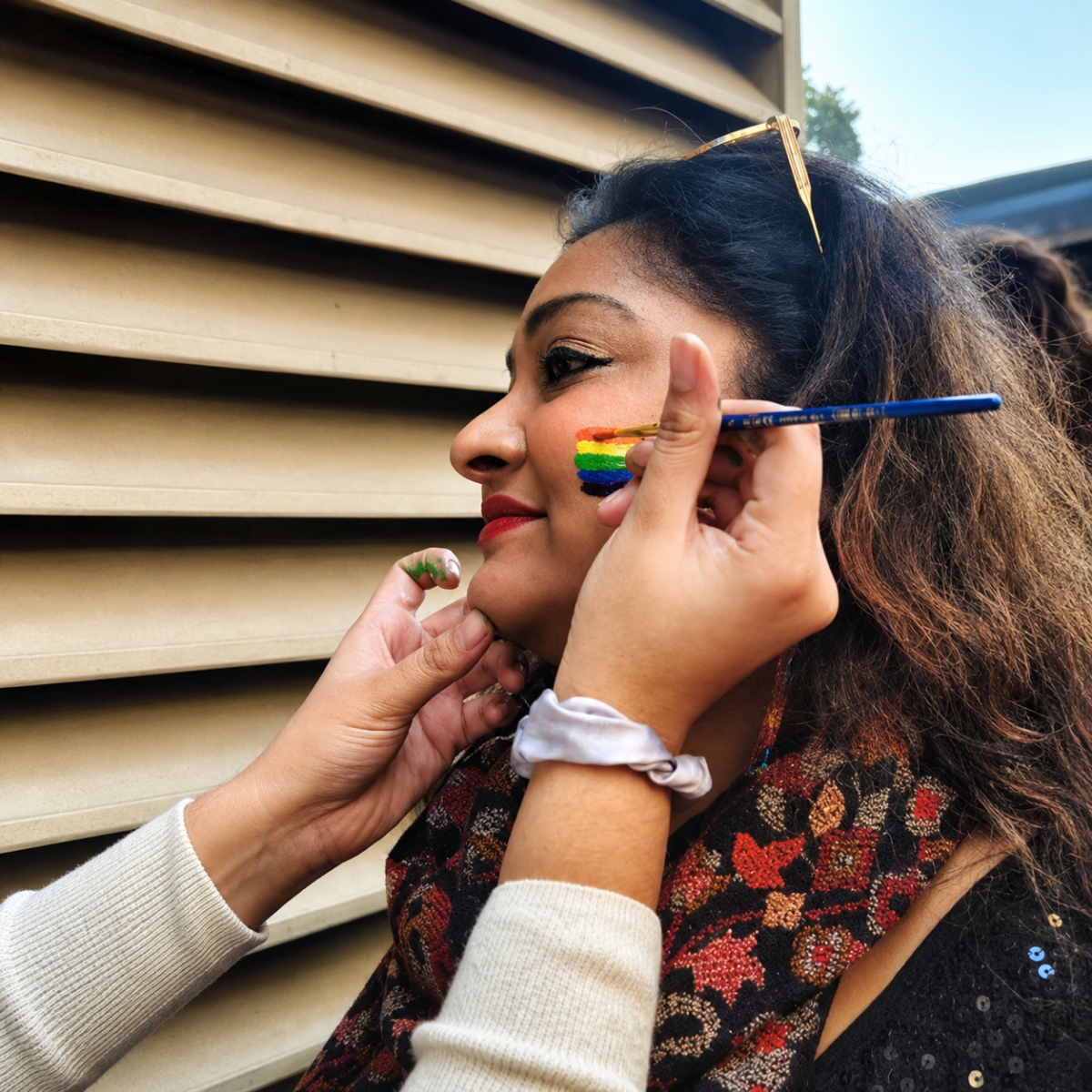
Several countries such as UK, Canada, Australia and the US have also invested heavily in advanced HIV screening technologies such as nucleic acid testing (NAT), which significantly reduces the infection detection window, alongside behavioural questionnaires that are revised as new risk data emerges.
Under the current guidelines, the two groups are assessed differently. A heterosexual individual engaging in unsafe sexual practices can still donate blood after temporary deferral periods, while a queer person in a long-term monogamous relationship may remain permanently excluded.
'Nearly 87 per cent of HIV transmission in India is found to occur through heterosexual contact, according to government data. Yet it is queer people who continue to face permanent exclusion from blood donation,' Rangnekar said. That figure reflects absolute case numbers, not group prevalence rates - which is why petitioners argue the test should be individual behaviour and screening, not group totals.
India is not alone in retaining restrictive blood donation policies for queer citizens. Countries such as Singapore, and Trinidad and Tobago, among others, continue to impose restrictions on gay and bisexual donors even after decriminalising homosexuality, while Japan has a deferral policy for men who have had sex with men.
Singapore, meanwhile, has been expanding its donor pool due to supply concerns. In 2025–26, authorities raised the age limit for first-time blood donors from 60 to 65 and publicly encouraged more citizens to donate blood, but the ban on queer donors is not being considered for removal.
In Trinidad and Tobago, same-sex relations were decriminalised in 2018, yet restrictions on blood donation by MSM continued under public health guidelines. In 2025, the country’s Court of Appeal reversed the 2018 ruling, a decision now being appealed to the Privy Council in London, the country's highest appellate court. The reversal underscores the fragility of rights tied to identity and sexuality.
FairPlanet spoke with doctors in government and private hospitals, blood donation NGOs, and activists working within India's healthcare system. A recurring theme emerged from those conversations: while the ban is officially justified on medical grounds, many of the discussions pointed to a deeper socio-cultural discomfort with queer identities.
Rahul put it more bluntly, 'The assumption is that men having sex with men are almost desperate to have unsafe sex, that they do not give a damn about their lives. We are responsible, educated people.'
'HIV can really happen to anybody. So what makes them say you people are high risk? Because they see it from a moral side of the world,' he added.
'I think the underlying mindset is that in a country with such a massive population, excluding certain communities is seen as administratively easier for the medical system — especially within a developing healthcare infrastructure,' Dr Ashmita Nagar, a doctor based in Rajasthan, told FairPlanet in a phone conversation.
A behaviour-based model assessing donors by recent sexual practice rather than orientation has been proposed by petitioners, including Rangnekar. They argue such an approach would bring India's donor screening policies closer to those adopted elsewhere.
India’s persistent blood shortage has added urgency to a debate that sits at the intersection of public health, equality, and policymaking. In Jharkhand, 12-year-old Reshu Mahli died at the state's largest government hospital after its blood bank refused to release a single unit her doctors had marked 'Emergency Life-Saving' unless her family first produced a replacement donor — a stark reminder that in much of the country, blood scarcity is measured not in statistics but in lives lost waiting for it.
As courts, health authorities, and advocacy groups continue to contest the issue, the question facing India is not only how to ensure the safety of its blood supply, but also whether existing donor restrictions reflect current scientific evidence and evolving understandings of equal citizenship.
Images by Aakriti Dhawan