- About
- Topics
- Story
- Magazine
- In-Depth
- Opinion
- News
- Donate
- Signup for our newsletterOur Editors' Best Picks......Send
Read, Debate: Engage.
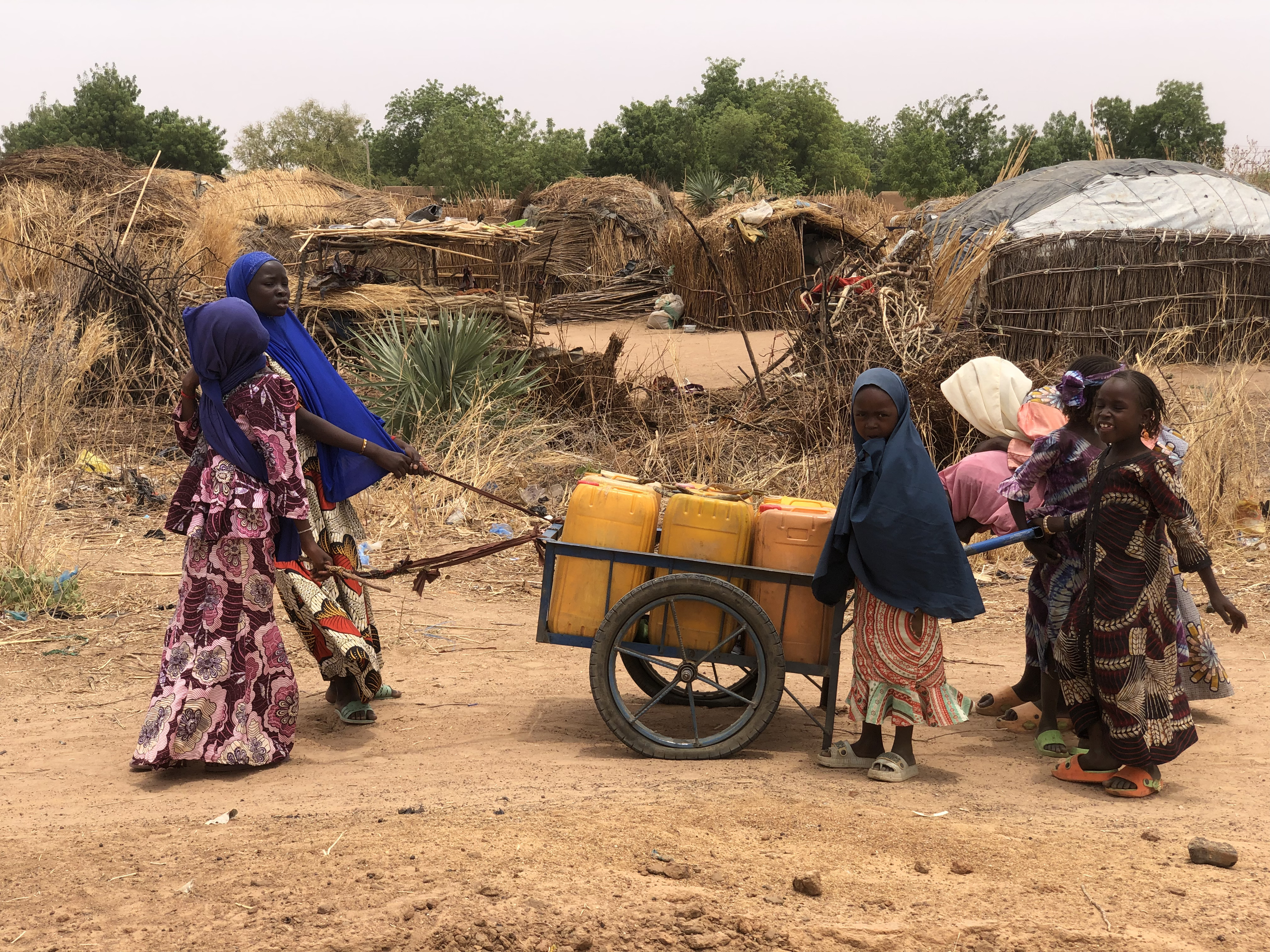
Malnutrition remains one of the world's most preventable crises. Globally, it is a contributing factor in 45 per cent of childhood deaths — a toll driven not only by poverty and climate shocks, but by conflict.
In Africa, for example, the Africa Center for Strategic Studies estimates that 167 million people faced acute food insecurity in 2025, around 78 per cent of them in countries experiencing active conflict. The pattern is stark: where fighting persists, hunger deepens.
Humanitarian organisations working in these environments are developing practical responses. One of them is the Mary Dinah Foundation (MDF), that works to prevent acute malnutrition in conflict-affected communities. The foundation partners with local health facilities and distributes ready-to-use therapeutic and supplementary foods — formulations typically containing peanut butter, powdered milk, sugar, vegetable oils, and essential vitamins and minerals.
This dossier examines the MDF's approach in practice: who it reaches, how it works, and what its model reveals about the broader challenge of addressing malnutrition where conflict and humanitarian access converge.
Image by Ekpali Saint