- About
- Topics
- Story
- Magazine
- In-Depth
- Opinion
- News
- Donate
- Signup for our newsletterOur Editors' Best Picks......Send
Read, Debate: Engage.
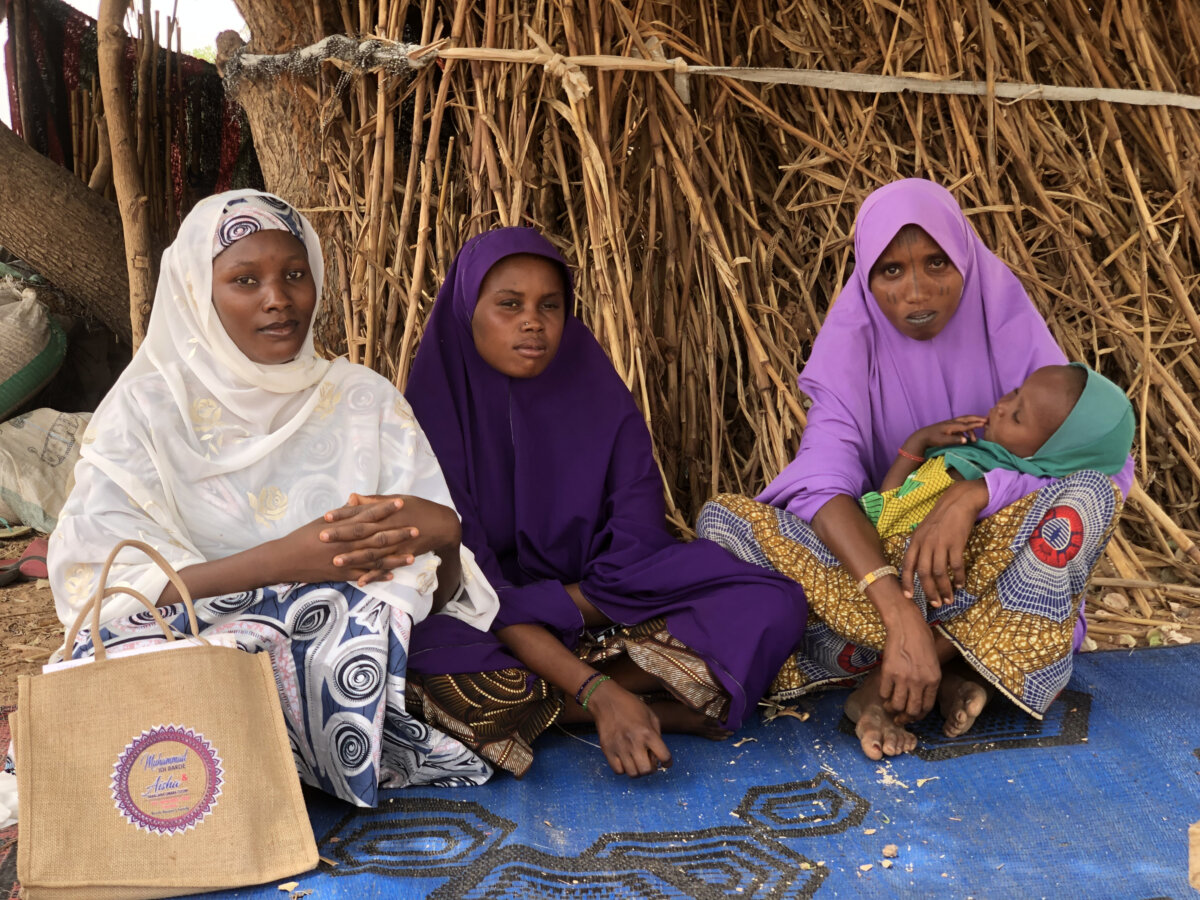
One Friday morning in May 2026, about 20 women, including pregnant and nursing mothers, sat on mats under a cashew tree at the internally displaced persons camp in the village of Fune in northeastern Nigeria’s Yobe State. The women, forced to flee from their homes after terrorist group Boko Haram attacked their communities in neighbouring Borno State, were participating in a community support group awareness session facilitated by Mary Dinah Foundation (MDF), a non-governmental organisation preventing malnutrition in local communities in Africa.
 Sitting close to the group’s leader was 30-year-old Gombo Abdulrahman, who joined the group when it started in 2021, five years after she sought refuge at the camp. The group meets monthly to discuss diverse topics such as malnutrition and its early signs, personal hygiene, benefits of good nutrition, and infant and young child feeding practices. It was in the group’s repeated sessions that Abdulrahman learned that a child must be exclusively breastfed for the first six months of age to prevent malnutrition and help the child grow without physical and cognitive impairment.
This feeding practice is new to Abdulrahman because she had learned from her mother that a child could be fed with both breast milk and water. But when she gave birth in 2021, she exclusively breastfed her child – and she did not regret adopting this practice.
‘The group improves our health because they tell us about exclusive breastfeeding,’ she told FairPlanet during an interview at the camp. ‘With this feeding practice, my child grew healthy and I never noticed any ailments.’
Jerry Ezike, MDF’s regional nutrition director, told FairPlanet during a visit to the IDP camp that the community support group is part of the foundation’s programme aimed at bridging nutritional gaps, and that it is not just for displaced people but also for communities in Yobe state.
‘The main goal is for behaviour change,’ he said. ‘Because a lot of the issues with malnutrition have to do with ignorance and sustaining core practices, we are trying to change that through sensitisation and support group meetings that integrate water, sanitation, and hygiene promotion.’
But holding regular meetings is just one aspect of the programme, Ezike said. The other part is that MDF connects members of the group to health facilities it partnered with, specifically to enable them to access basic health care services such as early antenatal care (ANC) visits and routine immunisation.
Ezike explained that this partnership is critical to the success of the foundation’s nutritional intervention because routine immunisation for example, typically helps to reduce a child’s vulnerability to vaccine-preventable diseases or infections that can cause malnutrition and eventually lead to death – already, Nigeria has the world’s highest number of unvaccinated children, with an estimated 2.1 million zero-dose children (those who have not received a single vaccine) in 2024 alone.
Since mothers rarely visit the health centres for these services for different reasons, such as circulating rumours and traditional beliefs that vaccines cause infertility, MDF introduced, as incentives, lipid-based supplements to help prevent malnutrition in mothers and children. The criteria are simple: any woman who wants to receive the nutrient supplements must have the ANC and immunisation cards.
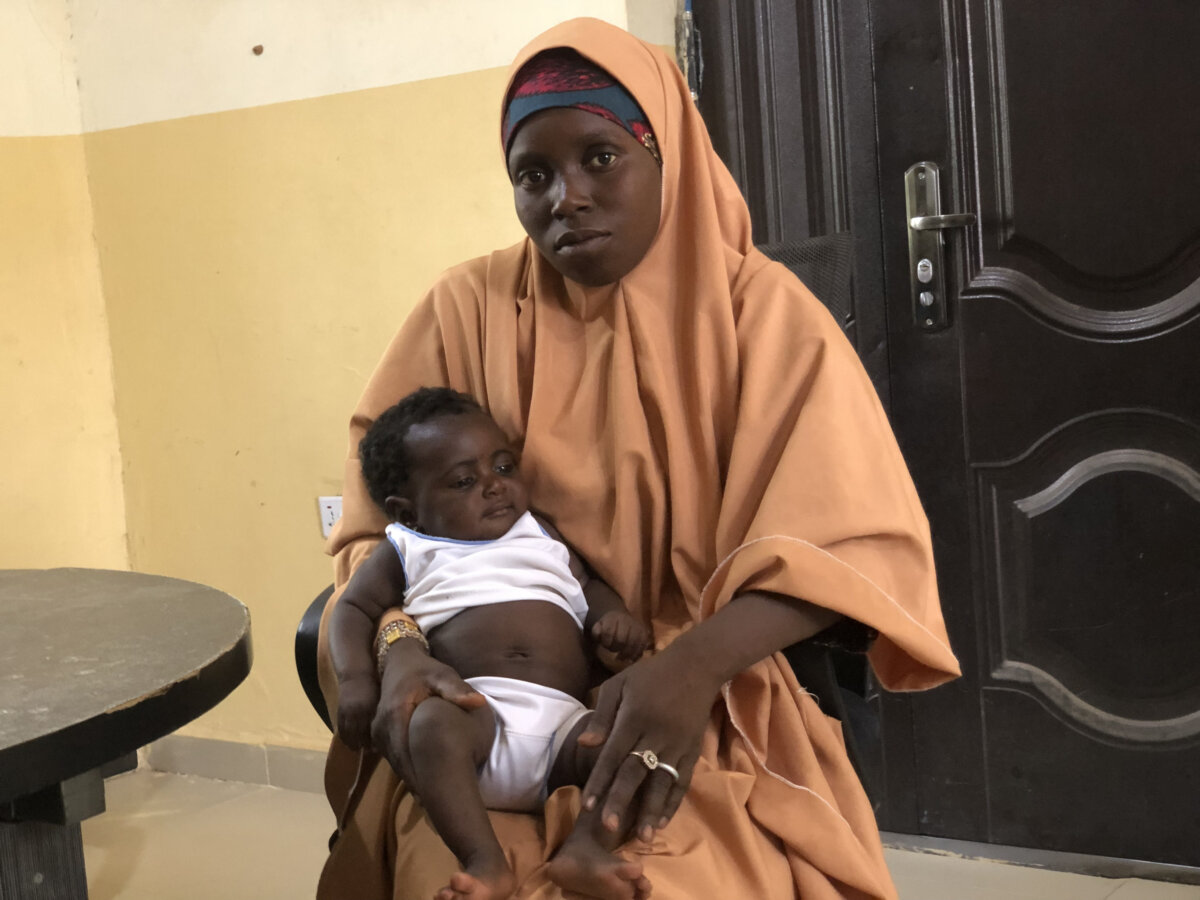
Zalai Sani, 29, is currently taking the supplements and also frequents the health centre in Damagun for her three-month-old child to be vaccinated. Before now, she rarely visited the health facility, but information shared in her community support group helped her realise that
if she had taken her son for routine immunisation, he would not have died of measles, a vaccine-preventable disease.
And she does not want a repeat of that incident. ‘Taking the supplements and bringing my child for immunisation… I do all this for the health of my child,’ Sani said.
Ezike explained that the programme is divided into five phases. The first is a stakeholder engagement phase, during which the foundation signs memoranda of understanding (MOUs) with the Yobe state government and the state primary health care management board, and sensitises community leaders on the support group's activities. This is followed by a procurement and logistics phase, covering the shipping and warehousing of supplements, and then an evaluation phase in which a survey establishes baseline figures for immunisation and malnutrition rates. Supplements are then distributed in a dedicated distribution phase, before a closing evaluation collects final data to measure progress.
This strategy, Ezike said, has helped the foundation reach thousands of Nigerians with over 13 million supplements between 2021 and early 2026.
MDF partnered with 21 health facilities in Fune Local Government, where Abdulrahman is based. At each of these health facilities, regular screening for malnutrition is conducted for children under five as well as pregnant and lactating women. Here, health workers examine children by measuring their weight and height, then they proceed to wrap a colored tape around the children's left arm to identify whether or not they are at risk of malnutrition. If the mid-upper arm circumference falls within the red zone, it indicates that the child is suffering from severe acute malnutrition. If it falls within the yellow zone, it means that the child may be moderately malnourished. If it falls within the green zone, it suggests that the child is unlikely to be acutely malnourished.
Garba Audu, health promotion officer at the Primary Health Care Centre in Damagun community, said that the regular screenings have helped in the early detection and immediate referral of malnutrition cases for treatment, contributing to a reduction of monthly cases. ‘In [Fune] local government, we record about 1,000 severe acute malnutrition cases every month but that has reduced to about 400,’ he said.
Bala Ibrahim, the Centre’s deputy director, attributed the reduction in malnutrition cases in the local government to the incentive introduced by MDF which encourages mothers to voluntarily
bring their children to the facilities without health workers having to go to communities to mobilise them, as was the usual practice.
‘MDF’s programme has helped boost our routine immunisation coverage,’ he told FairPlanet during an interview at the health centre. ‘Nursing mothers and pregnant women now come themselves to access basic healthcare services largely because of the free supplements.’
‘If the programme stops,’ Ibrahim believes, ‘we are going back to square one,’ and the lives of mothers as well as children will be at risk of malnutrition.
While MDF’s community support group programme helps to simultaneously prevent malnutrition and strengthen maternal and child health, one major challenge is that most of the caregivers come to the health facilities from far-flung communities, creating a financial burden.
For now, Abdulrahman is excited about the community support group and how the knowledge gained in the group has helped her son stay healthy.
‘If I give birth again, I will certainly try exclusive breastfeeding,’ she said.
Image by Ekpali Saint